






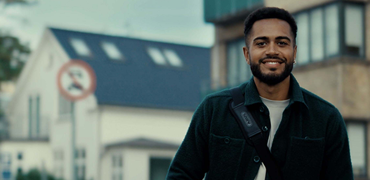


SnackBreak campaign in Finnish vocational schools promotes healthier habits

A student-made campaign in Finland aims to narrow a documented nutrition gap between vocational students and their peers in general upper-secondary schools. Its aim is to encourage swapping quick, unhealthy snacks for healthier choices – such as a sandwich.
In Finland, research shows a clear nutrition gap between high-school students and those in vocational education. Vocational students tend to eat less often and choose less healthy options. Compared to high-school students, they eat fewer vegetables, fruits, and berries. The nutrition gap doesn’t just affect school days. It carries into adult life, influencing wellbeing and work capacity.
To tackle the issue, the food education association Ruukku, together with a social media partner, has launched a campaign called SnackBreak focusing on healthy snacks between meals. The campaign is backed by the Finnish bakery brand Vaasan, part of Lantmännen Unibake.
"Eating habits are difficult to change because they are deeply rooted in culture. Vocational students often choose what is easy, cheap, and fast – typically food from fast-food outlets, petrol stations, and similar places.”
![]()
When food requires effort, like planning and shopping for the ingredients to make a sandwich, many people find it difficult. Among vocational students, this trend is especially pronounced.

By students, for students
The SnackBreak concept was piloted in 2024 and ran its first full activities in 2025 at Omnia, a large vocational education and training provider based in Espoo, Finland.
The campaign’s core idea is simple. Instead of outside-made materials that vocational students don’t connect with, SnackBreak has students create the content themselves, such as short videos, social posts, and posters shared in their own channels. At Omnia, media students produced real campaign materials as part of class, which made the content more relevant and engaging for the target group.
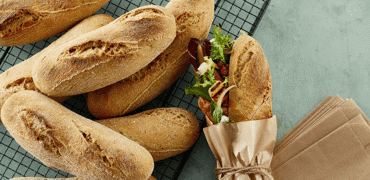
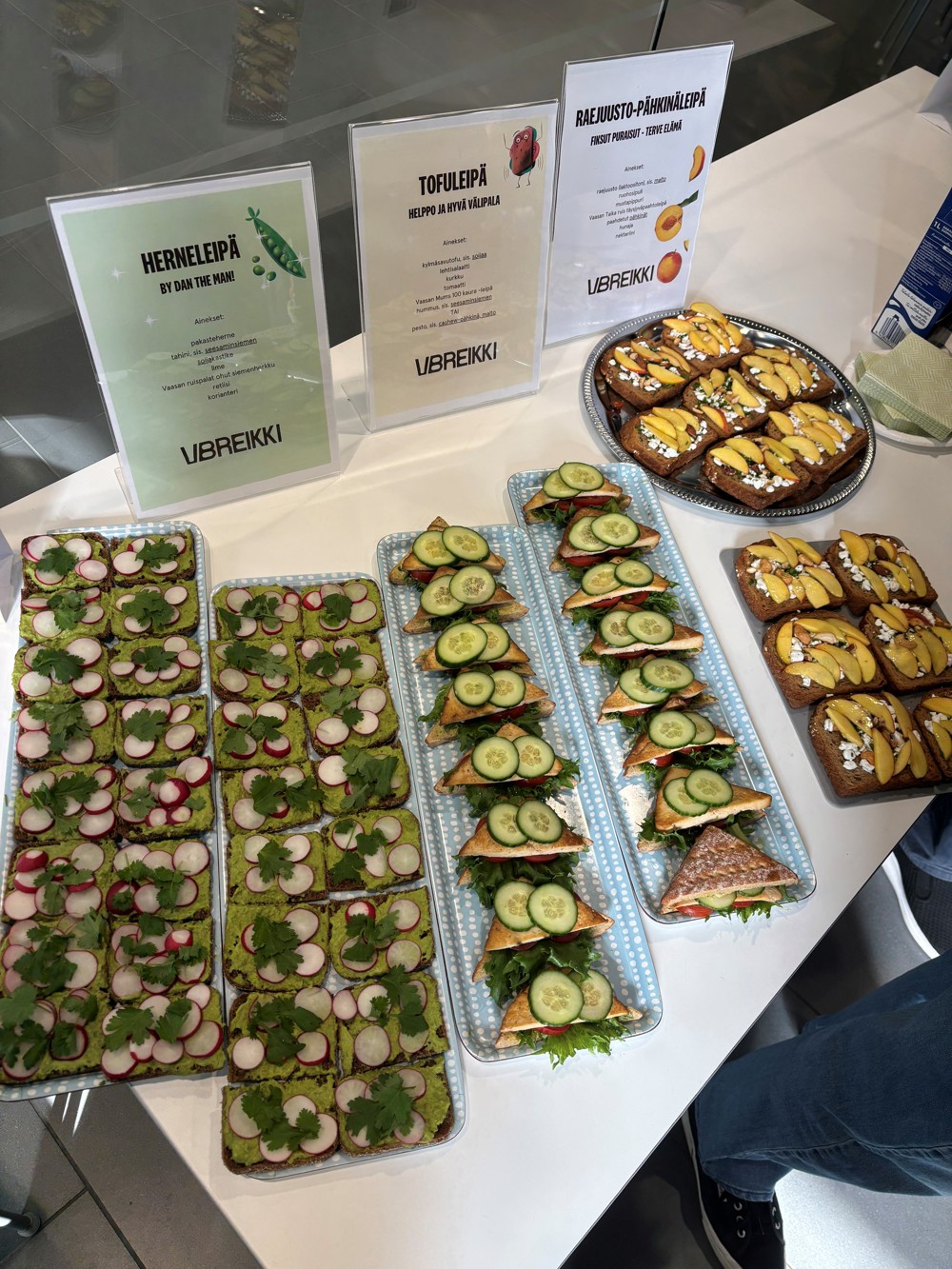
Beyond media, SnackBreak also creates tangible food moments at school. At selected events, students build their own sandwiches from “proper food” with Vaasan supplying the bread and Ruukku providing the rest.
Need for innovation
The campaign is still in its early days, and to make a real impact it must reach far beyond a single school. That is why significant effort is going into securing more partners and funding for the coming years. Still, a few early learnings from SnackBreak stand out.
“Price, convenience, and ready-to-eat products are decisive factors for younger consumers. For them, making a quick meal with fresh bread can feel like work. That leaves room for product innovation that fits the grab-and-go reality,” says Anni Pyykkö.
“We have also learned that young people are very curious. This target group is particularly interested in getting enough protein, yet many are genuinely surprised to hear that bread contains protein. So, the potential is there, but we need to provide more information. From Vaasan’s perspective, we will continue to support the campaign and its core messages about healthier eating, and, most importantly, make sure we talk about it in a way that sticks.”
November 19, 2025, is International Whole Grain Day. This year’s theme is “Building a Whole Grain Generation”. Learn more about the celebration and join the webinar.