















Sweden forms Whole Grain Partnership to make healthy eating easier

Swedes also need to eat more wholegrain. That simple message led to the establishment of the Swedish Whole Grain Partnership in 2024. Supported by partners such as Lantmännen, the initiative aims to double wholegrain consumption in Sweden and help build healthier future generations.
Wholegrain is recognized globally as one of the most important foods for long-term health, yet Swedes lag behind their Nordic neighbours. Compared to Denmark, Norway, and Finland, Swedes eat less wholegrain and have not embraced products such as wholegrain pasta and wholegrain bread to the same extent. According to a national dietary survey conducted by Swedish National Food Agency, just one in ten Swedes reach the recommended 90 grams of wholegrain a day, while the national average remains at only 42 grams.
To boost consumption, a group of organizations launched the Swedish Whole Grain Partnership in 2024. The initiative unites food producers, industry associations, NGOs, academia, and the public sector around a shared mission to raise awareness, expand product choice, and help more Swedes reach the national recommendation.
Looks to Denmark
In Denmark, a similar Whole Grain Partnership was established in 2007. At that time, the average wholegrain intake was only 36 grams per day. By 2014 it had increased to 63 grams, and by 2019 to 82 grams. While it may not be accurate to say that this rise is solely due to the Whole Grain Partnership, the initiative has undoubtedly played an important role.
![]()
Danish and Swedish food cultures have similarities, so we can learn from Denmark's wholegrain journey.

Back in 2009, the Danish Whole Grain Partnership introduced a wholegrain logo for bread packaging. Research shows that such labels are an effective way to help consumers make healthier choices, so launching a Swedish wholegrain logo is an important next step for us. Hopefully, that will happen during 2026.
The Swedish Whole Grain Partnership will also launch an annual Wholegrain Day on January 14 to raise awareness.
Keep it simple
For Lovisa Martin Marais, clarity and direction are fundamental to the Swedish Whole Grain Partnership. Its messages to the public should be simple, science-based, and focused on action rather than restriction.
"We want to keep it simple. Wholegrain is the food we eat too little of, even though the scientific evidence for its benefits is among the strongest we have. Instead of telling people what not to eat, we want to focus on what they can add to their diet,” says Lovisa Martin Marais, adding that the partnership places special emphasis on children and young adults.
That focus aligns closely with this year’s International Whole Grain Day (held on November 19) theme, “Building a Whole Grain Generation”, which calls for policy and industry collaboration to support healthier diets from early childhood.
“Right now, we are working on a project to get 10,000 pupils to eat more wholegrain through school meal programs. If we can help the next generation grow up with healthy wholegrain habits, we will be setting them up for better health throughout life,” says Lovisa Martin Marais.
Do more of something good
At a general level, that same message – do more of something good – is central to improving public health. With so many trends and rigid diets out there, it is easy to see why consumers get confused.
“If you just make sure to get your wholegrain every day, the rest will often follow more naturally. You don’t need to overthink it. Each time you include wholegrain in your diet, you are doing something good for your health,” says Lovisa Martin Marais.
In 2025, the Swedish Whole Grain Partnership welcomed seven new members. The goal for 2026 is to continue expanding the network to strengthen awareness and reach.
Read more about the Swedish Whole Grain Partnership on their website.
Danish best practice blueprint
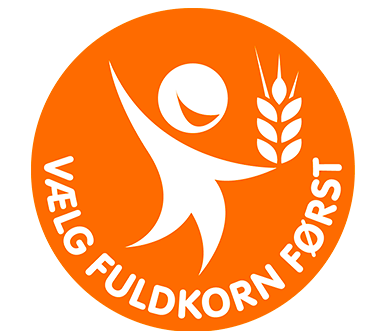
In 2019, the Danish Whole Grain Partnership was recognized as a best practice by the European Commission, and in July 2025, Denmark’s wholegrain model was also highlighted as a best practice at the United Nations Food Systems Summit.